
Uncovering Megaways Slot Developments
Megaways structures have transformed how players assess slot volatility and win potential, Hold and Win betrouwbaar wedsite Nederland Games has incorporated several of those mechanics in its own titles. Grasping the underlying structure, variable reel heights, cascading symbols, and expanding ways to win, lets us judge whether a particular game matches our risk tolerance and session length. In the sections that follow we analyze the concrete parameters that define gameplay, from reel configuration and RTP ranges to the precise triggers of bonus rounds and jackpot features.
The way Megaways Reel Configurations Determine Hold and Win Games
Hold and Win Games titles that use Megaways mechanics commonly display between two and seven symbols per reel, creating up to 117,649 possible combinations on any spin. Because the number of symbols is determined randomly each time the reels stop, the total number of ways to win changes continuously. This variability substitutes for the fixed paylines found in classic three-reel games and necessitates us to track symbol height rather than line geometry when we calculate potential payouts.
The engine recomputes winning combinations after every cascade, so a single paid spin can generate multiple successive evaluations. In practice, we monitor the top of each reel for the numeric indicator that shows the current symbol count; higher counts correlate directly with larger win windows. When the engine lands the maximum seven symbols on every reel, the payout matrix expands dramatically, but the probability of that alignment remains low enough to preserve the game’s long-term return profile.
Developers calibrate the Megaways engine so that the average number of symbols per reel lands between four and five. That middle ground keeps volatility moderate while still allowing occasional spikes that deliver the large single-spin outcomes players seek. By reviewing the numeric reel-height display after each spin, we can quickly assess whether the current outcome sits above or below the expected distribution.
Progressive Prize Pools versus Fixed Jackpots
Hold and Win Slots that include progressive jackpots assign a small percentage of every base-game wager to a shared prize pool presented above the reels. The pool grows until a qualifying trigger, usually five or six special jackpot symbols, awards the entire amount to a single player. Because the jackpot contribution is mandatory, the base-game RTP is slightly lower than in fixed-prize counterparts, a trade-off we consider against the possibility of a life-changing payout.
Fixed prizes, by contrast, give predetermined multiples of the bet when specific symbol combinations land. These prizes do not fluctuate with player volume, so the payout timing is determined solely by the game’s random number generator. In Hold and Win Games titles that combine both systems, the fixed jackpots serve as intermediate targets while the progressive pool provides the headline prize.
Gamers who prefer predictable return structures may prefer fixed-jackpot versions, while those seeking occasional high-variance spikes may endure the lower base RTP in exchange for progressive eligibility. Checking the paytable for jackpot rules and contribution rates lets us to choose which variant suits our objectives before committing funds.
Bonus Round Triggers and Payout Multiplier Mechanics
The main bonus trigger in most Hold and Win Games Megaways titles is the scatter symbol, which gives a fixed number of free spins when three or more appear. The starting allocation is typically between eight and twelve spins, and each additional scatter beyond the third adds two or three extra spins. Retrigger symbols can appear during the bonus, prolonging the round and raising the multiplier ladder.

Inside the bonus, an unlimited multiplier affects all wins and begins https://www.rtl.nl/nieuws/binnenland/artikel/5454696/ek-pool-invullen-gokken-kan-maar-er-zijn-ook-goede-strategieen at 1×. Every cascade that produces a win increases the multiplier by one, and the value persists for the remainder of the free-spin sequence. Because cascades can chain extensively, the multiplier can reach double-digit values, turning modest symbol combinations into substantial payouts. We monitor the multiplier counter at the top of the reels to anticipate when a single premium-symbol win will exceed the total bet.
Some Hold and Win Games variants substitute the standard free-spin bonus with a hold-and-respin feature. In these versions, landing six or more special coin symbols secures those positions and grants three respins. Each new coin restarts the counter, and the round continues until no new coins appear or the grid fills completely. The values on the coins range from 1× to 100× the bet, with progressive jackpots occasionally seeded among the higher denominations.
Base-Game Symbol Hierarchy and Payout Evaluation
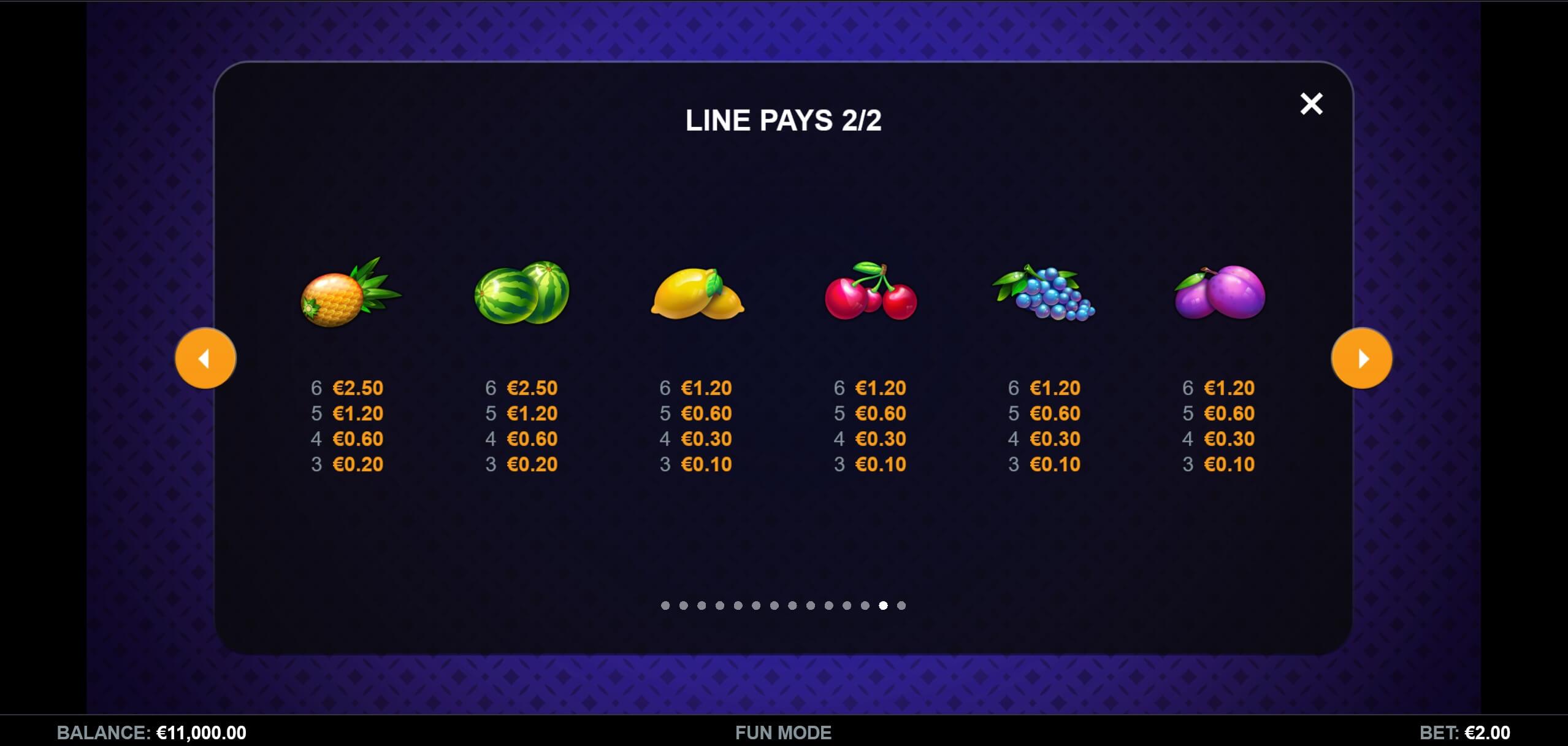
Symbol sets in Hold and Win Games Megaways titles observe a standard hierarchy: low-paying card ranks occupy the lower end, thematic icons take up the middle, and special symbols occupy the top. Low symbols usually pay between 0.1× and 0.5× the total bet for six-of-a-kind combinations, while premium symbols can return between 2× and 25× for the same length. Because wins are judged left to right on adjacent reels, the length of a winning sequence is more important than its vertical position.
Scatter symbols occur on every reel and activate bonus features when at least three land anywhere. Their payout is not dependent of paylines, so three scatters on the first, third, and fifth reels still give the feature. Wild symbols stand in for all regular symbols but do not replace scatters, keeping the scarcity of bonus triggers. In Hold and Win Games that add a wild multiplier, each wild has a random value between 2× and 5× that accumulates when multiple wilds appear in the same winning sequence.
Understanding the hierarchy assists us set realistic expectations for base-game returns. Low-symbol combinations appear frequently enough to counteract a portion of each spin’s cost, yet the bulk of the return profile is borne by the premium symbols and the bonus round. Recording the frequency of six-symbol premium wins during a short test session gives an empirical sense of the game’s rhythm before committing larger stakes.
Player Return Percentages and Volatility Profiles
Hold & Win Titles that utilize Megaways usually publish RTP figures between 95.5 percent and 96.8 percent, figures that fall within the standard range for modern video slots. These rates are determined over millions of simulated spins and reflect the projected return across unlimited play; real session results will deviate. We therefore treat the published RTP as a benchmark rather than a short-term forecaster.
Volatility in these titles is generally rated high because the changing reel heights produce sporadic but significant payouts. The allocation of returns is unbalanced: many spins yield zero or minimal returns, while the extremity of the distribution contains the large cascades that happen during bonus sequences. Players who favor consistent small wins may consider the variance difficult, whereas those looking for rare but significant outcomes may consider the profile fitting.
Because volatility and RTP influence each other, we examine both figures together. A 96 percent RTP title with high volatility will still pay back 96 percent of wagers over time, but the journey to that average entails more pronounced drawdowns and sharper recoveries than a medium-volatility alternative. Reviewing the paytable or help screen before allocating a bankroll permits us to tailor game choice with session targets.
Stake Range, Coin Denominations, and Top Win Ceilings
Wager flexibility in Hold and Win Games Megaways titles typically ranges from 0.20 to 100.00 credits per spin, allowing both small-bet testing and high-limit gaming. The progression steps are typically 0.20, 0.40, 0.60, up to 1.00, then bigger leaps to 2.00, 5.00, 10.00, 20.00, 50.00, and 100.00. This structure accommodates precise bankroll management while still allowing fast wager boosts when a bonus appears imminent.
The top win is restricted at 10,000× the total bet in most slots, a limit that reconciles compliance needs with player expectations. Achieving the telegraaf.nl limit requires a combination of full reel heights, chain reactions, and a high multiplier during the bonus round. Although the theoretical chance of hitting the cap is low, the existence of the limit avoids any one result from affecting the complete RTP figure.
Before modifying wagers, we verify the current bet level presented beneath the reels and observe the corresponding coin value. Altering coin value changes both the absolute cost per spin and the total value of any jackpot triggers, so matching the coin value with the session budget prevents unwanted risk. Numerous interfaces also display a “max bet” shortcut that quickly chooses the top allowed bet for quick access during positive fluctuation periods.
Practical Session Planning and Safe Parameters
Effective bankroll allocation begins with establishing a session budget that represents no more than one to two percent of total available funds. Within that budget, we split the amount by the average cost per spin at our chosen stake to calculate the number of spins the session can sustain. This calculation provides a concrete stopping point independent of short-term results.
Time limits supplement monetary limits. Choosing a maximum duration, commonly sixty to ninety minutes, reduces fatigue-induced decisions that depart from the original plan. Many Hold and Win Games interfaces feature a session clock or allow external timers; activating either tool creates an external cue that supersedes subjective impressions of elapsed time.
Finally, we record the starting balance, stake level, and target stop-loss or stop-win amounts in a simple note before play begins. Examining these figures at the end of the session supplies objective feedback on whether the chosen parameters delivered the intended experience. Adjusting one variable, stake, duration, or loss limit, in subsequent sessions allows incremental refinement without abandoning the analytical framework that enables consistent decision-making.